
The FMP Blog

A man feels tired, has gained weight, notices a decline in libido, and no longer gets the same results from exercise. Testing confirms low testosterone.
The most obvious next question may be whether...
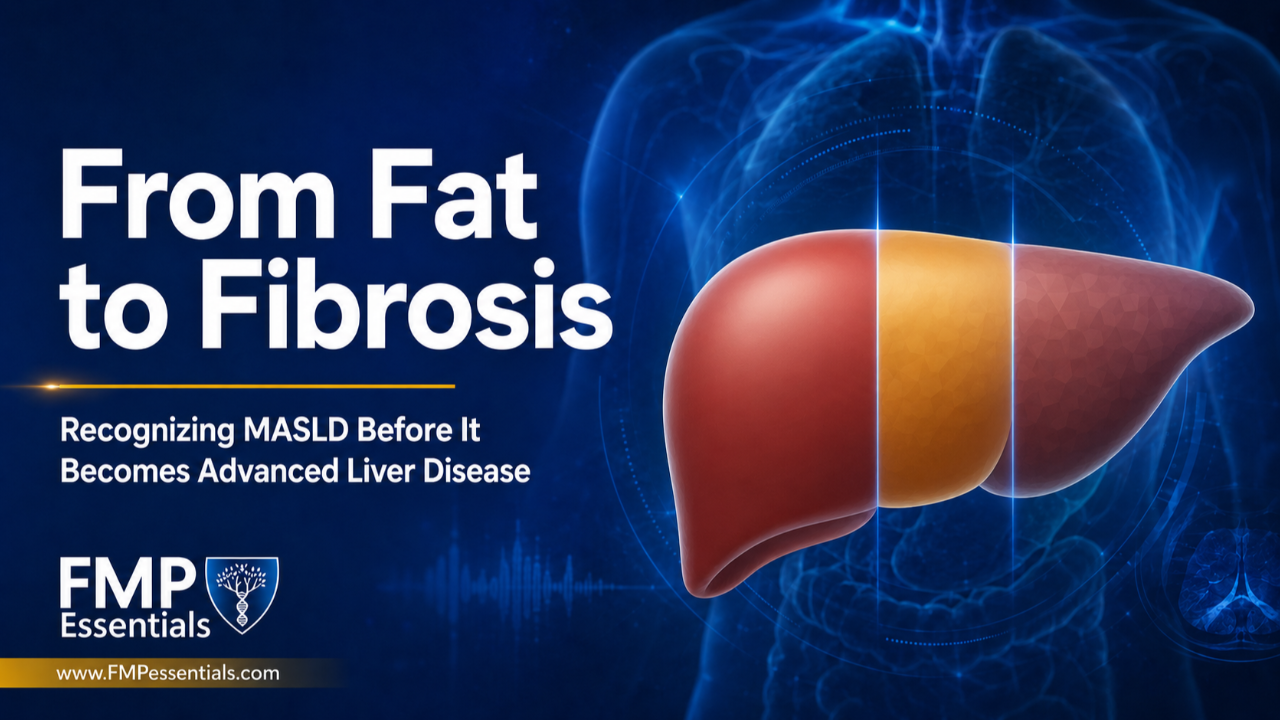
Metabolic dysfunction-associated steatotic liver disease (MASLD) often begins quietly. A patient may feel well and remain unaware that fat is accumulating in the liver.
For many patients, hepatic st...
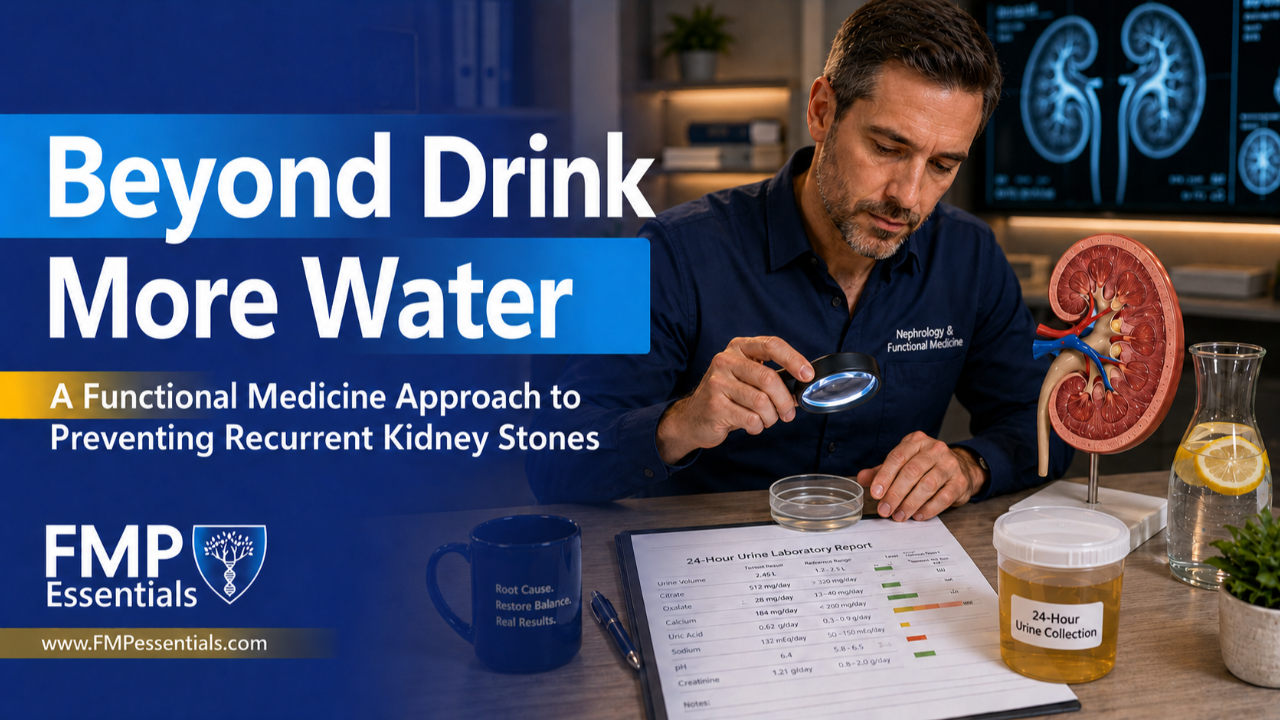
Kidney stones are often treated as isolated events: manage the pain, remove or pass the stone, and encourage the patient to drink more water.
Hydration is important, but it does not explain why the st...
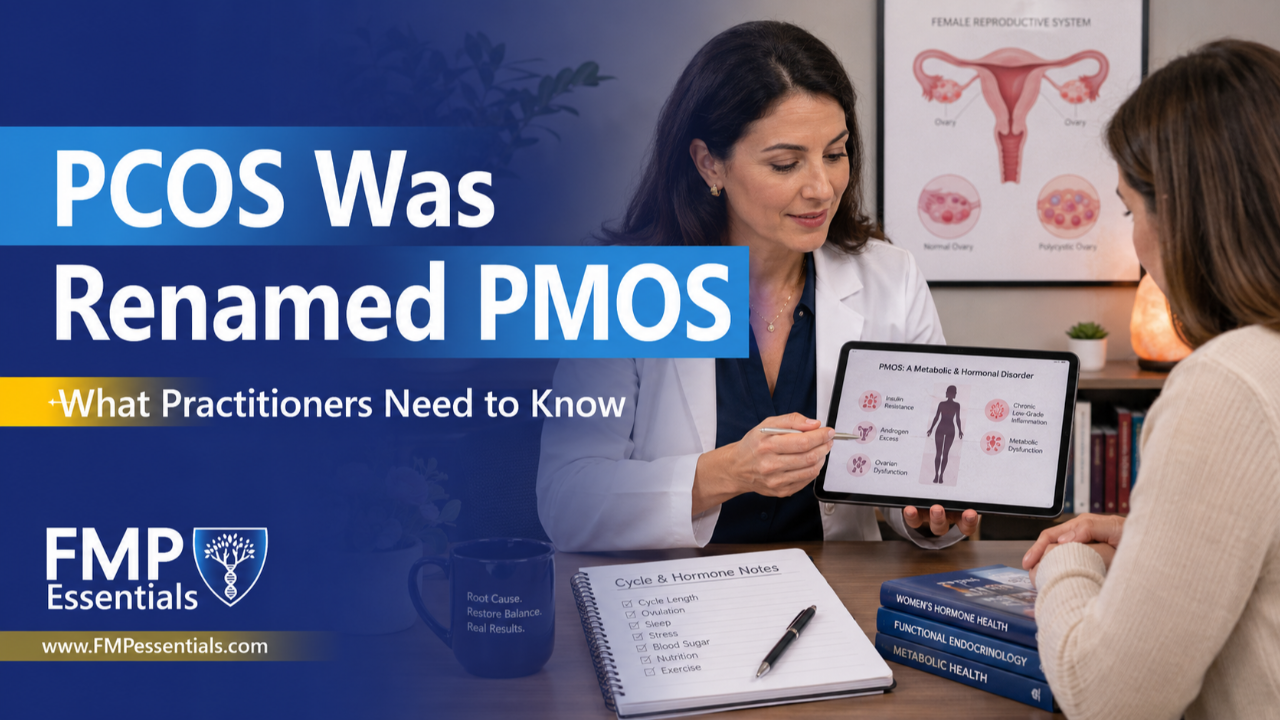
Polycystic ovary syndrome (PCOS) has officially been renamed polyendocrine metabolic ovarian syndrome (PMOS).
For practitioners, this is more than a terminology update. It reflects a clinical reality ...

Irregular periods are common during adolescence, especially in the first several months after a teen’s first period. During this time, the communication between the brain, ovaries, and uterus is still...
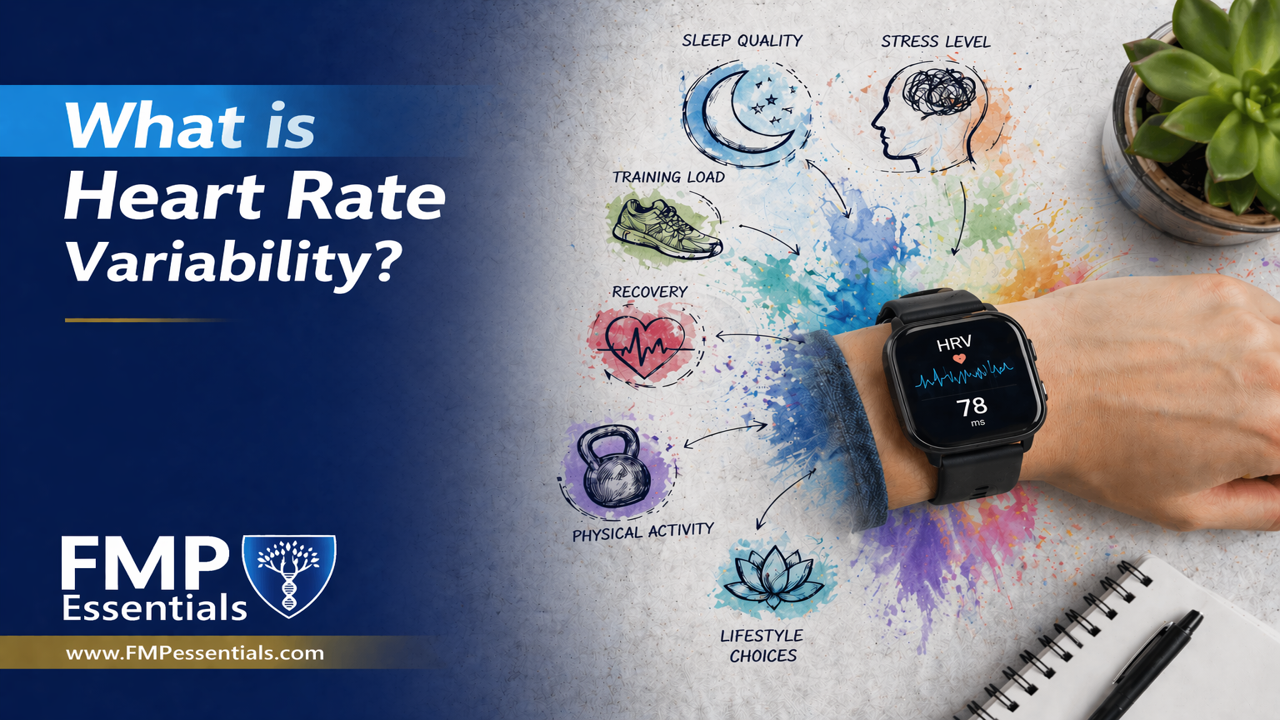
Heart rate variability (HRV) refers to the variation in time between each heartbeat. Rather than beating at a perfectly steady rhythm, a healthy heart constantly adjusts the timing between beats in re...

Anxiety is often treated as a mental health issue alone, but physiology plays an important role as well. The brain depends on a steady supply of nutrients to regulate neurotransmitters, energy metabol...

Human health does not unfold in isolation. Across the lifespan, social experiences including connection, safety, rejection, meaning, and belonging shape how individuals respond to the world. While the...
Aging can be understood as a gradual imbalance between damage accumulation and the body’s ability to repair and maintain resilience. Early in life, repair systems are highly effective. Over time, howe...
The brain is one of the most energy-demanding organs in the body. Although it accounts for only 2% of body weight, it consumes nearly 20% of the body’s energy. Because of this high demand, the brain r...
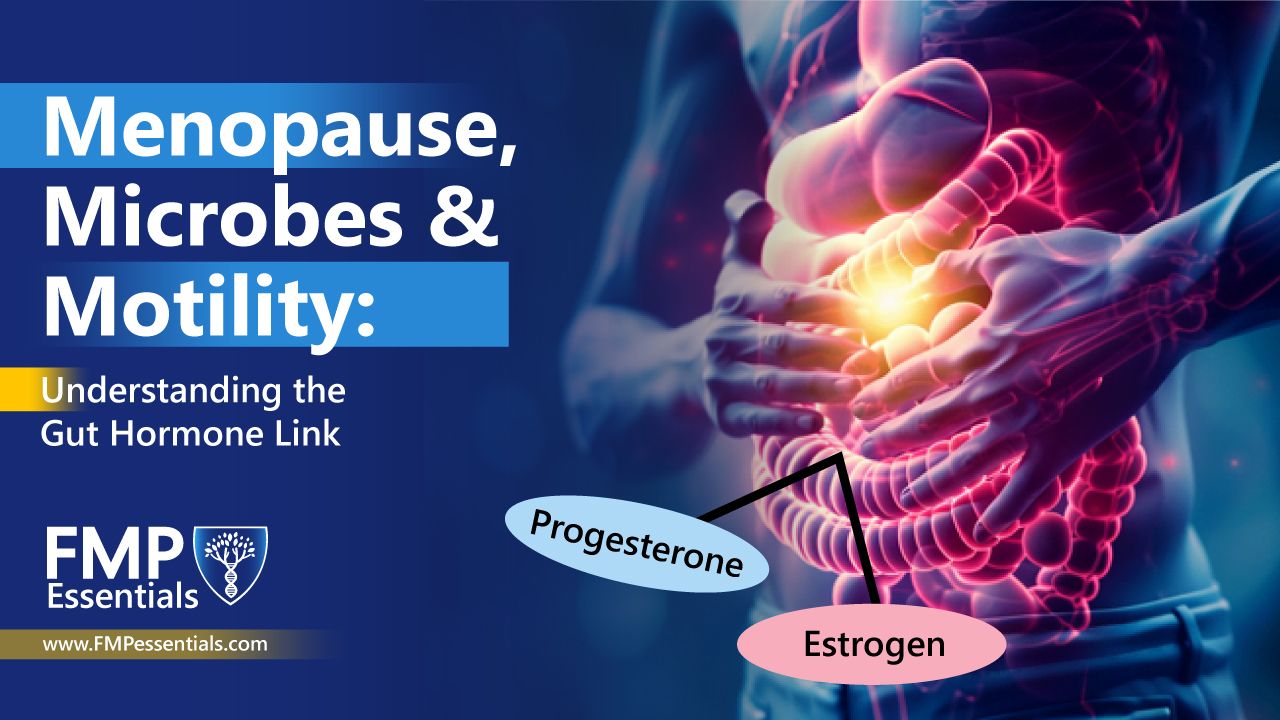
The menopausal transition affects far more than reproductive health. Shifts in estrogen and progesterone during this time influence the gut microbiome, intestinal motility, bile acid metabolism, and b...
Omega-3 fatty acids, especially EPA and DHA, are well known for their cardiovascular benefits. They lower triglycerides, reduce inflammation, and support vascular health. But studies over the last few...
